
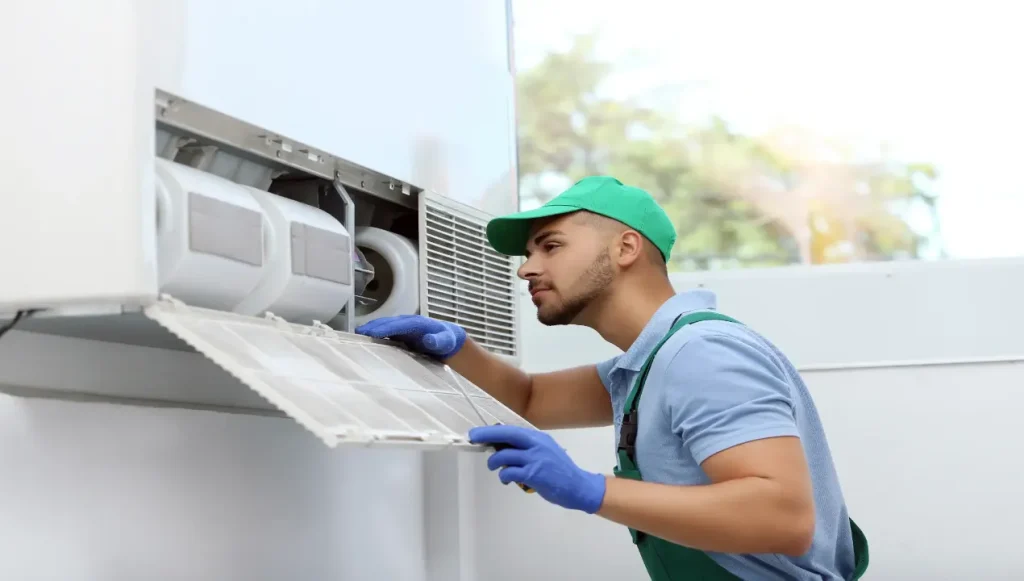
HVAC Services Near Me: Fast Repair & Expert Care
A broken air conditioner or a failing furnace creates immediate stress. Your home should be a sanctuary, but a technical glitch can quickly turn it into an uncomfortable environment. Whether you face a mid-summer heatwave or a freezing winter night, you need a solution that works the first time. Finding reliable HVAC services near me is the most effective way to restore your comfort and protect your property.
In 2026, the HVAC industry has shifted. New refrigerant laws, rising energy costs, and advanced smart technology mean that “standard” service is no longer enough. This guide provides everything you need to know about maintaining a healthy, efficient home climate. We will cover the critical signs that your system needs professional repair and how to choose a technician you can trust.
Immediate HVAC Assistance Near You
When your air conditioner stops on a 100°F afternoon, “later” is not an option. Immediate HVAC services near me provide a lifeline during these crises. Most top-tier providers now target an average response time of under two hours.
24/7 Emergency AC and Heating Repair
Critical system failures don’t follow a 9-to-5 schedule. Modern service networks use real-time GPS dispatching to send the closest NATE-certified technician to your door. In 2026, the market for emergency residential services has reached record highs, with 3.5 million system replacements projected this year alone (BDR, 2026).
Fast Response Times for Critical System Failures
High-authority providers maintain “rolling warehouses”—trucks stocked with common capacitors, fan motors, and contactors—to ensure same-day resolution for most calls.
What to Do Before the Technician Arrives
- Check the Breaker: Ensure a simple power surge didn’t just trip the switch.
- Clear the Area: Move furniture or debris away from the indoor air handler and the outdoor condenser.
- Turn Off the System: If you hear grinding or see ice, shut the unit down to prevent further mechanical damage.
Unique Insight: Watch for short cycling. If your system runs for two minutes and shuts off repeatedly, it is a mechanical emergency. This behavior can burn out a compressor—the most expensive part of your system—within days. Catching this early can save you from a $3,000 replacement bill.
Expert Air Conditioning Services
Air conditioning in 2026 is about more than “blowing cold air.” It is about precision cooling and moisture control.
Residential and Commercial AC Repair
Technicians now use ultrasonic tools for refrigerant leak detection. These tools hear the high-frequency hiss of escaping gas that the human ear cannot detect.
A. Troubleshooting Common Cooling Issues
Common culprits include clogged condensate drains or dirty evaporator coils. If your AC is running but not cooling, the problem is often a $200 capacitor or a dirty filter, but ignored issues can lead to $2,000 compressor failures (Angi, 2026).
Professional AC Installation and Replacement
If your unit is over 10 years old, it is likely time to consider a replacement.
Energy-Efficient Central Air Systems
As of 2026, new SEER2 ratings have raised the floor for efficiency. Upgrading to a 17 SEER2 system can slash electricity consumption by 30% to 50%.
Ductless Mini-Split Solutions
These systems offer “zoned” comfort. You can cool a home office or a sunroom without the cost of installing massive ductwork. They are increasingly popular for renters and small business owners who need targeted cooling.
Comprehensive Heating Solutions
Heating safety is paramount. Whether you use gas, propane, or electricity, regular checks are vital for your safety.
Furnace Repair and Restoration
The heat exchanger safety inspection is the most critical part of a heating service call. A single microscopic crack can leak carbon monoxide into your home. A replacement heat exchanger typically costs between $1,000 and $1,500, but it is a life-saving investment (Angi, 2026).
Heat Pump Services
In 2026, heat pump services are the gold standard. Modern “cold-climate” heat pumps provide reliable warmth even when outdoor temperatures drop below 0°F. Federal tax credits have pushed the adoption of these systems to record levels, with over 48% of U.S. households now using electrical heating (BDR, 2026).
Improving Indoor Air Quality (IAQ)
The air inside your home can be five times more polluted than outdoor air (US EPA, 2025).
Air Filtration and Purification Systems
- HEPA Filters: Capture 99.97% of dust and allergens.
- UV Germicidal Lights: Installed inside the air handler to kill mold and bacteria on the cooling coils.
- Smart Sensors: Real-time monitors that alert you to high CO2 or VOC levels.
Duct Cleaning and Sealing Services
Leaky ducts can waste 20% of your conditioned air. Professional sealing ensures the air you pay for actually reaches your living space. This service typically costs between $500 and $2,000 but pays for itself in lower utility bills within two years.
Preventive Maintenance and System Longevity
The most expensive HVAC repair is the one that could have been prevented.
Seasonal HVAC Tune-Ups
A pre-summer AC performance inspection ensures your system is ready for the heat. Technicians check “static pressure,” which measures how hard your fan works to push air. High pressure is a silent killer of blower motors.
Maintenance Plans and Costs
The average cost for a professional maintenance agreement is now $225 per year (BDR, 2026). These plans often include two visits (Spring/Fall) and discounts on emergency repairs.
Summary: Key Takeaways
- Prioritize Speed: Use 24/7 services for emergencies to prevent system “freeze-ups.”
- Check Ratings: Look for high SEER2 ratings to lower utility bills.
- Safety First: Never skip the annual heat exchanger safety check.
- Air Health: Use UV lights and HEPA filters to combat poor indoor air quality.
- Validate Warranty: Most manufacturers require professional maintenance to honor warranties.
Frequently Asked Questions (FAQ)
1. Why is my AC blowing warm air? This usually indicates a refrigerant leak, a frozen coil, or a clogged filter. Turn the system off and call a pro immediately to avoid burning out the motor.
2. How often should I replace my HVAC system? Most systems last 15 to 20 years. If repairs cost more than 50% of the value of a new unit, or if it still uses old refrigerants, it is time to upgrade.
3. What is the benefit of NATE-certified technicians? NATE certification is the industry gold standard. It ensures the tech has the technical knowledge to fix the issue correctly the first time, reducing the need for costly return visits.
4. How much does a service call cost in 2026? An initial service call generally costs between $100 and $250 (Angi, 2026). This usually covers the diagnostic fee only; labor and parts are extra.
5. Are smart thermostats worth the cost? Yes. Modern programmable smart thermostats can save homeowners up to 15% on heating and cooling costs by learning your schedule and adjusting for peak energy rates.
Conclusion
Maintaining your heating and cooling system is an investment in your home’s value and your family’s health. By choosing professional HVAC services near me, you ensure your system runs at peak performance year-round. Don’t wait for a total breakdown in the middle of a heatwave or a freeze.
Take control of your comfort today. Contact our team to schedule your seasonal maintenance or request a free estimate on a new, energy-efficient installation.
We Value Your Voice!
Did this guide help you understand your home’s heating and cooling needs? If you found these tips useful, please share this post with a friend!
We want to hear from you: What is the one HVAC issue that causes you the most stress—high energy bills, weird noises, or inconsistent temperatures? Let us know in the comments below!
References
- Angi. (2026). 2026 HVAC Repairs Cost: A Comprehensive Price Guide.
- BDR. (2026). 7 Important HVAC Industry Statistics in 2026.
- Energy Star. (2025). When is it time to replace? U.S. Environmental Protection Agency.
- Lincoln Tech. (2025). What Is The NATE Certification?
- U.S. EPA. (2025). Indoor Air Quality (IAQ).
